
Influence Profile
No genre data available
Genre information will appear here once available
Trending in Farid al-Atrash’s World
Latest Album
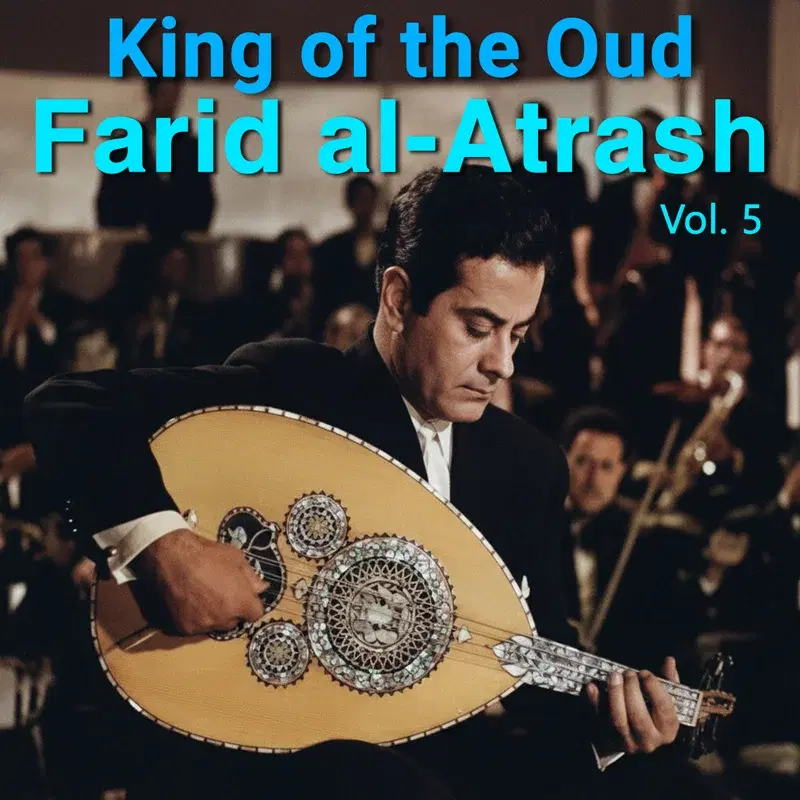
King of the Oud,Vol. 5
Released Jun 13, 2026
Trending Globally
No trending songs available.
Story
Quick Facts
From
Egypt
Egypt
Journey
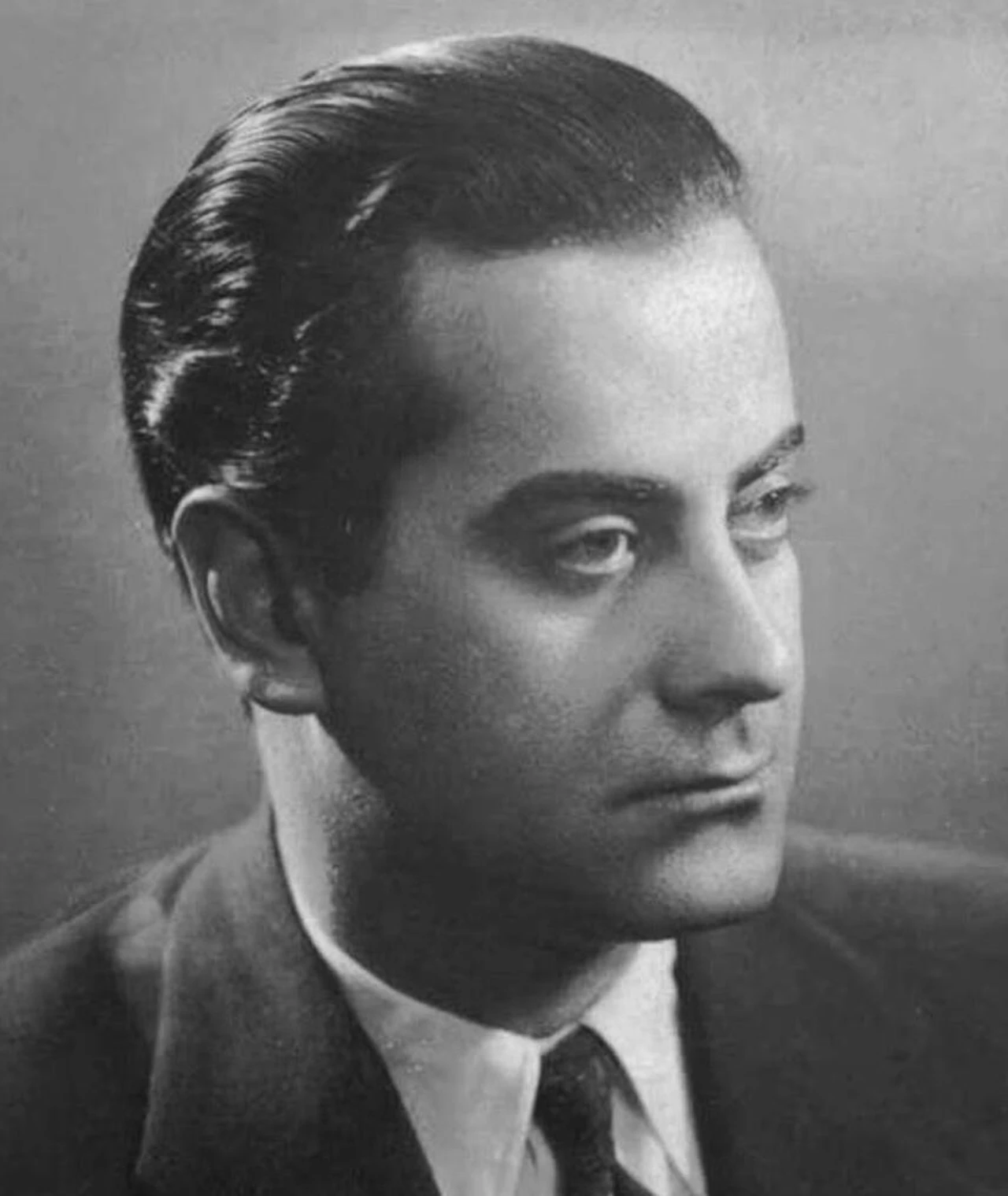
Farid al-Atrash was a Syrian-Egyptian singer, composer, oud virtuoso, actor, and producer whose career helped shape the development of Arabic music and musical cinema during the 20th century. Born in Al-Qurayya, in Syria’s Jabal al-Druze region, he grew up in the prominent al-Atrash family. His mother, Aliya al-Mundhir, was a singer and oud player who introduced him to music. Political conflict surrounding the French occupation eventually led the family to relocate to Egypt, where Farid and his sister Asmahan would pursue careers in the arts.
In Cairo, al-Atrash studied music while taking various jobs to support his family. His abilities on the oud brought him to Badia Masabni’s troupe, where he initially performed as an instrumentalist before gaining attention as a singer. His association with Egyptian radio provided a breakthrough, particularly after the success of “Ya Reitni Teir.” From there, he developed into a composer and recording artist whose repertoire encompassed romantic, patriotic, social, and instrumental works.
Al-Atrash's command of the oud became central to his artistic identity. His performances frequently gave the instrument an expanded role through extended introductions and improvisational passages, earning him the celebrated title “King of the Oud.” His compositions drew from established Arabic musical traditions while incorporating selected European influences. He also wrote music for prominent Arab performers, including Asmahan, Shadia, Sabah, Warda Al-Jazairia, Fayza Ahmed, and Wadih El Safi.
His career expanded into Egyptian cinema in 1941 with "Intisar al-Shabab," in which he appeared alongside Asmahan. He went on to star in 31 musical films, frequently composing their songs and instrumental passages. Among his notable screen credits were "Ahd el-Hawa," "Lahn al-Kholoud," "Habib al-Omr," and "Resala min Imraa Maghoola." He also wrote, produced, and contributed to the creative development of "Qissat Hubbi" in 1955.
With a catalogue spanning hundreds of recordings and compositions, al-Atrash left enduring works such as “Awal Hamsa,” “Nora Ya Nora,” “Alby w Mofatho,” “Rabee,” and “Ya Zahratan Fi Khayali.” He continued performing despite recurring health problems and died in Beirut on 26 December 1974. His final film, "Nagham Fi Hayati," was released after his death. His recordings and films remain important references within Arabic musical heritage.